
Difference Between Waterproof and Water-Repellent: Guide to Rainproof Fabrics

×

What is the difference between waterproof and water-repellent? And in which situations are the different fabrics more suitable?
These terms are often confused, but they are not synonyms. They describe different levels of protection, achieved through different technologies. Knowing how to distinguish them is essential for sailors, water sports enthusiasts, and outdoor athletes — but also for anyone looking for versatile garments to wear in everyday life.
With autumn bringing the first rains and more unstable weather, understanding these differences becomes even more important.
A waterproof garment provides complete protection: it doesn’t let water in, even during heavy rain or under pressure from wind or shoulder straps.
This level of protection is achieved through:
The 'water column test' (or hydrostatic pressure test) measures the maximum height of a water column (in millimeters) that the fabric can withstand before droplets start to penetrate. The higher the value is, the more waterproof the garment results.
From 1,000 mm upwards a fabric is considered slightly waterproof, while the best outdoor jackets exceed 10,000 mm and can even reach 20,000 mm.


A water-repellent fabric keeps water out thanks to a surface treatment such as DWR (Durable Water Repellent). In practice, droplets don’t penetrate the fabric but instead bead up and slide off.
To be considered water-repellent, a garment must offer:
Overall, water-repellent clothing is ideal for both sports and everyday use, especially in changeable weather.
The treatment can wear off with washing and use. To check if a garment is still water-repellent:
The DWR treatment is present both in waterproof and water-repellent products, but it tends to degrade over time. However, it can be renewed with specific products that help preserve the garment’s technical features.


In water sports such as sailing, choosing the right fabric is crucial. Here are some examples of outfits depending on the situation:
Knowing these technical differences helps you choose the right garment for the right occasion, avoiding the risk of being caught unprepared.
With the arrival of autumn, rainy-day gear becomes more important than ever. SLAM offers a range of rainproof products that combine technology and versatility, providing protection at sea, in sports, and in everyday life.
Waterproof jackets are essential for races and challenging weather, but also for anyone who wants reliable protection in daily life.
The Foil Hooded Jacket is made of multilayer technical fabric, both waterproof and breathable. With its essential design, it’s perfect at sea or in the city.
For those looking for a shell for regattas or intense outdoor activities, the Foil Spray Top is the right choice. This waterproof shell is designed to guarantee protection and freedom of movement in tough conditions: strong wind, spray, and heavy rain.

Die OD WS Kapuzenjacke bietet ein minimalistisches Design mit einer hohen Schutzleistung: genau das, was die nächste Generation von Seglerinnen sucht. Ob bei Regatten auf One-Designs oder beim Foilen, diese Jacke ist auch perfekt für Tage am Hafen oder in der Stadt. Sie ist wasserdicht und atmungsaktiv und verfügt über eine ergonomische, abnehmbare Kapuze, verstellbare Klettverschlüsse an den Ärmeln und zwei große Fronttaschen für die wichtigsten Utensilien. Dank ihrer Leichtigkeit und Strapazierfähigkeit ist sie eine ideale Wahl. ENTDECKEN SIE MEHR ÜBER DIESES PRODUKT

Das OD Spray Top ist ideal für intensive Rennen an kalten und windigen Tagen und wird über einem Neoprenanzug oder einer Thermoschicht getragen. Leicht und schützend, bietet dieses Spray Top Wasserdichtigkeit (20.000 Wassersäulen) und hohe Atmungsaktivität (30.000 g/24h). Es verfügt über einen halben Reißverschluss (YKK-Qualität) zur Belüftung, Klettverschlüsse am Hals (Rücken) und an der Taille sowie eine praktische Tasche für Euer Werkzeug. Eine umweltfreundliche Option, die schnell trocknet.

Die OD-Kapuzenjacke bietet ein minimalistisches Design mit einer hohen Schutzleistung: genau das, was die nächste Generation von Seglern sucht. Ob bei Regatten an Bord von One-Designs oder beim Foilen, diese Jacke ist auch perfekt für Tage im Hafen oder in der Stadt. Sie ist wasserdicht und atmungsaktiv, verfügt über eine ergonomische, abnehmbare Kapuze, verstellbare Klettverschlüsse an den Ärmeln und zwei große Fronttaschen für die wichtigsten Dinge. Dank ihrer Leichtigkeit und Strapazierfähigkeit ist sie eine ideale Wahl. ENTDECKEN SIE MEHR ÜBER DIESES PRODUKT
When the first rain arrives and temperatures fluctuate, it’s often hard to know what to wear.
For mid-season, water-repellent clothing offers the perfect balance of lightness and protection. An outfit combining a technical hoodie and water-repellent pants is a smart choice for a casual look that provides comfort and easy layering.

Der Foil Ws Tech Hoodie ist mehr als nur ein Sweatshirt für Frauen: Er ist ein Funktionsstretch-Kapuzenpullover für Segler, die sich ein trendiges Kleidungsstück mit einem modernen Design wünschen. Für alle, die sowohl auf dem Wasser als auch an Land an ihre Grenzen gehen, oder die gleichen Qualitäten in der Stadt tragen wollen, wird es dieser Hoodie erlauben, einen einzigartigen Stil zu bewahren – wo immer Sie sind.Der Foil-Tech-Hoodie ist aus wasserabweisendem, winddichtem Material gefertigt und verfügt über eine große elastische, nahtlose Beuteltasche; eine Passform, die auch bei aktiver Bewegung sitzt und diesen Hoodie ideal für Regatten oder Freizeit macht.

Die One Design WS Chino-Hose ist genau das Richtige für alle, die nicht auf der Stelle treten wollen. Allen, die auf Reisen sind, Rennen fahren oder gerne Zeit im Hafen verbringen, aber ab und zu auch in die Stadt müssen, bietet diese Hose Komfort, Strapazierfähigkeit und eine perfekte Passform dank des doppelt gewebten Stretchmaterials. Atmungsaktiv, strapazierfähig und mit einer klaren Linie versehen, die Raum für Bewegungsfreiheit lässt. Wer sie trägt, kann sich auf alle Aktivitäten des Tages konzentrieren, was auch immer anliegt – auf und abseits vom Boot.

Der Foil Funktions-Hoodie ist mehr als nur ein Sweatshirt: Er ist ein Funktionsstretch-Kapuzenpullover für Segler, die sich ein trendiges Kleidungsstück mit einem modernen Design wünschen. Für alle, die sowohl auf dem Wasser als auch an Land an ihre Grenzen gehen, oder die gleichen Qualitäten in der Stadt tragen wollen, wird es dieser Hoodie erlauben, einen einzigartigen Stil zu bewahren – wo immer Sie sind.Der Foil-Tech-Hoodie ist aus wasserabweisendem, winddichtem Material gefertigt und verfügt über eine große elastische, nahtlose Beuteltasche; eine Passform, die auch bei aktiver Bewegung sitzt und diesen Hoodie ideal für Regatten oder Freizeit macht.
Wenn Aufhören nie eine Option ist, ist diese Hose genau das Richtige für Euch. Sie ist rennerprobt und bietet Komfort, Strapazierfähigkeit und eine perfekte Passform dank des wasserabweisenden doppelt gewebten Stretchmaterials, das die Atmungsaktivität fördert, ohne ihre Festigkeit einzubüßen. Sie verfügt über einen verstellbaren, hohen Rückenbund und selbstschließende Reißverschlüsse. Diese Hose hat eine klare, fast schlanke Form und bietet volle Bewegungsfreiheit. Mit dieser Hose müsst Ihr nur noch an das Rennen denken!
Not just jackets: accessories also make a difference on rainy days or in humid environments. Examples include:
Segeln mit Stil mit dem LGT Rucksack: ein leichter und funktioneller Unisex-Rucksack, der auf moderne Segler zugeschnitten ist. Das Futter mit Logodruck und die EVA-Polster auf dem Rücken garantieren Atmungsaktivität und Komfort. Er hat die Maße 51x31x20 cm und ein Fassungsvermögen von 25 l, trägt bis zu 10 kg.
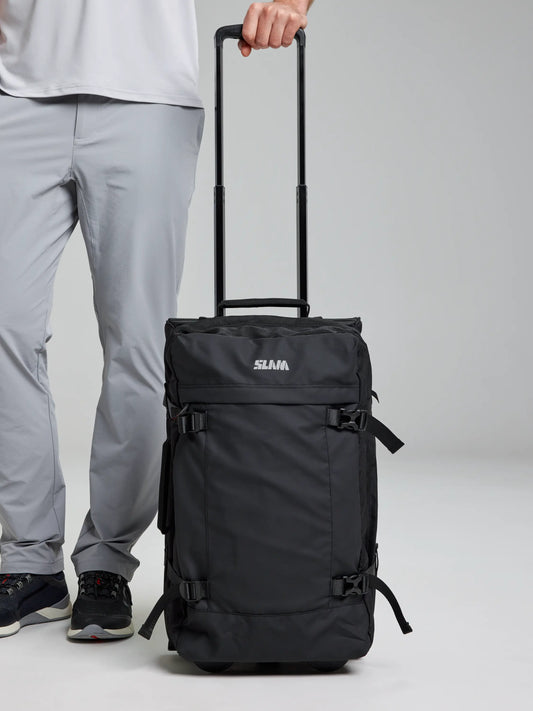
Das unersetzliche Accessoire für jeden Kurztrip. Der Unisex Cabin Trolley bietet Platz für die Dinge, die Sie für Ihr Wochenende auf dem Boot oder auf dem Meer benötigen.
Understanding the difference between waterproof and water repellent, and the role of water-resistant fabrics, means being ready for any occasion.
At sea, while traveling, or in the city, rainproof clothing is indispensable — especially when the change of season brings unpredictable weather.
1. What is the difference between waterproof and water-repellent? A waterproof garment completely blocks water, even in heavy rain. A water-repellent garment repels water on the surface but only resists light or moderate rain.
2. How is waterproofness measured? The “water column test” measures hydrostatic pressure. In other words, it tests how much water pressure a material can withstand before penetration occurs. The result is expressed in millimeters (mm) and indicates the height of the water column the fabric can resist before leaks start.
From 1,000 mm the fabric is considered slightly waterproof. At 10,000 mm it has excellent waterproofing, while above 20,000 mm it offers protection even in extreme conditions.
3. Does water repellency last forever? No, frequent washing and wear can reduce its effectiveness. Specific sprays are available to renew the treatment.
4. Which waterproof and water-repellent garments are best for sailing or water sports? It's essential to choose products with fabrics featuring membranes, a waterproof rating above 10,000 mm, and taped seams.

Die One Design Hybrid Vest ist eine Weste, die sich perfekt unter einer Shelljacke oder über einer ersten Bekleidungsschicht tragen lässt. Mit Primaloft gepolstert, aus leichtem, elastischem Mini-Ripstop-Material gefertigt und eng anliegend, schützt sie Oberkörper und Rücken und bietet gleichzeitig angenehme Bewegungsfreiheit. Auch nach der Regatta eine perfekte Wahl, die sich sogar solo tragen lässt..
Die Altura Puffer Hybrid Jacke ist ein idealer Midlayer, der die Leichtigkeit eines Funktionsfleece mit der Wärme von Primaloft Thermoplume kombiniert. Sie wurde für Komfort im Winter entwickelt und kann auf See unter einer Ölzeugjacke getragen oder an Land zur Außenjacke werden.
Die gepolsterte, funktionelle und überraschend leichte Altura WS Puffer Jacke wurde für raue Bedingungen entwickelt: Daunendichtes Ripstop-Material, Primaloft Thermoplume-Füllung und eine bequeme Passform machen dieses Modell zu einer ebenso perfekten Zwischenlage unter einer Ölzeugjacke wie zur Außenjacke für ruhigere Momente auf See oder in der Stadt.
Die Altura WS Ins Jacke ist die Winterversion unserer vielseitigsten Shelljacke. Das gleiche Dry-Design, die gleiche abnehmbare Kapuze, aber jetzt mit Primaloft-Füllung, die dich auch bei widrigsten Wetterbedingungen warm hält und vor Nässe schützt. Diese leichte, kompakte und strapazierfähige Jacke ist ein idealer Begleiter, den du immer dabei haben solltest, egal ob an Deck oder unterwegs.


