



The coldest season reveals a different side of the sea: quiet, powerful and demanding. Being properly prepared is essential to experience it at its truest.
Come Vivere il Mare in Inverno: L'Avventura della Vela Fuori Stagione

×

In winter, the sea changes pace. Conditions are more variable, cold and wind directly affect how you move on board and how you sail. Outside the main season, winter sailing becomes a more conscious gesture. Those who choose to sail during this time of the year learn to read the sea more carefully and to value every detail.
Sailing in winter means accepting these conditions and knowing how to manage them, aware that comfort and protection directly influence concentration and the ability to act with precision. This is where technical clothing becomes part of the experience: protecting the body from cold and moisture is not just about comfort, but also necessary for facing more demanding situations.
To fully enjoy sailing in winter and cope with low temperatures, it is even more important to carefully choose what you wear. The basic principle is simple yet extremely effective: layering, combining multiple technical layers that work together.
The base layer is the foundation of the entire layering system. Recommended materials are:
Always avoid cotton, which retains moisture and cold.
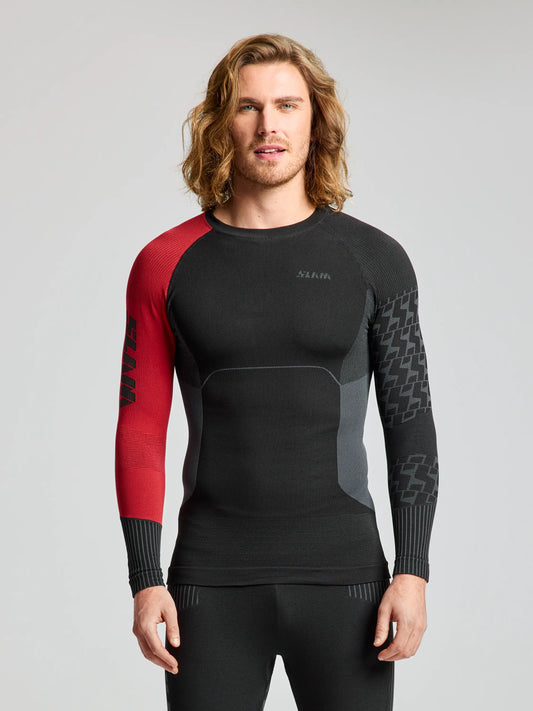
Unisex-Thermoshirt aus Dryarn-Garn, dem leichtesten, wärmsten und atmungsaktivsten Garn der Welt. Mit langen Ärmeln, ergonomisch, atmungsaktiv und isolierend. Pro Seamless Top Long Sleeve ist ein Baselayer, mit dem Sie sich wohl fühlen werden.
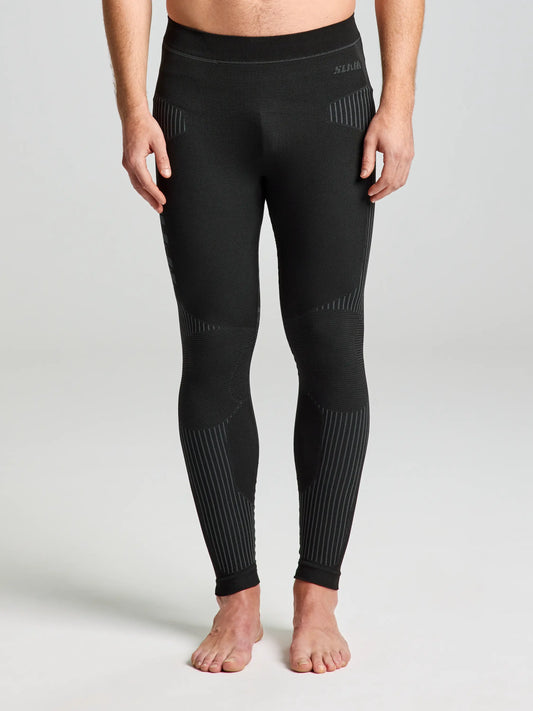
Unisex Thermo-Strumpfhose aus Dryarn®-Garn, dem leichtesten, wärmsten und atmungsaktivsten Garn der Welt. Ergonomisch, atmungsaktiv und isolierend. Die Pro Seamless Tights sind ein Baselayer, mit dem Sie sich wohl fühlen werden.
The midlayer retains body heat without adding unnecessary bulk. Its main functions are:
Technical fleeces, lightweight insulated midlayers, as well as windproof trousers and waterproof bibs are ideal for cool or harsh conditions.
Eine Midlayer-Jacke für alle Jahreszeiten, die für jeden Ausflug geeignet ist. Mit durchgehendem Reißverschluss, zwei Seitentaschen und einer inneren Fleece-Struktur ist sie warm, atmungsaktiv und sowohl solo als auch unter einer Weste oder Jacke perfekt zu tragen. Ob an Deck oder an Land: So bist du unterwegs auf alles vorbereitet.
Eine Midlayer-Jacke für alle Jahreszeiten, die für jeden Ausflug passt. Mit durchgehendem Reißverschluss, zwei Seitentaschen und einer inneren Fleece-Struktur ist sie warm, atmungsaktiv und sowohl solo als auch unter einer Weste oder Jacke perfekt geeignet. Ob an Deck, an Land oder unterwegs: Sei auf alles vorbereitet.
Die leichte und funktionelle OD Hooded Midlayer Jkt ist die ideale Wahl, die du immer dabei haben solltest. Als funktionelle Midlayer-Jacke für alle Jahreszeiten, vereint sie Wärme, Bewegungsfreiheit und Strapazierfähigkeit. Die Jacke aus elastischem Nylon ist wasserabweisend und mit leichtem, aber leistungsstarkem Primaloft gefüttert. Perfekt unter einer Regenjacke oder solo für kühlere Stunden. Die Jacke ist kompakt und komprimierbar. Sie lässt sich leicht verstauen und ist immer einsatzbereit.
Die leichte und funktionelle OD WS Hooded Midlayer Jkt ist die ideale Wahl, die du immer dabei haben solltest. Die funktionelle Midlayer-Jacke für alle Jahreszeiten vereint Wärme, Bewegungsfreiheit und Strapazierfähigkeit. Die Jacke aus elastischem Nylon ist wasserabweisend und mit leichtem, aber leistungsstarkem Primaloft gefüttert. Perfekt unter einer Regenjacke oder solo, wenn es kälter wird. Die Jacke ist kompakt und komprimierbar. Sie lässt sich leicht verstauen und ist immer einsatzbereit.
Die One Design Hybrid Vest ist eine Weste, die sich perfekt unter einer Shelljacke oder über einer ersten Bekleidungsschicht tragen lässt. Mit Primaloft gepolstert, aus leichtem, elastischem Mini-Ripstop-Material gefertigt und eng anliegend, schützt sie Oberkörper und Rücken und bietet gleichzeitig angenehme Bewegungsfreiheit. Auch nach der Regatta eine perfekte Wahl, die sich sogar solo tragen lässt..
The outer shell is the heart of winter protection and what truly allows you to sail with comfort and confidence.
Key features include:
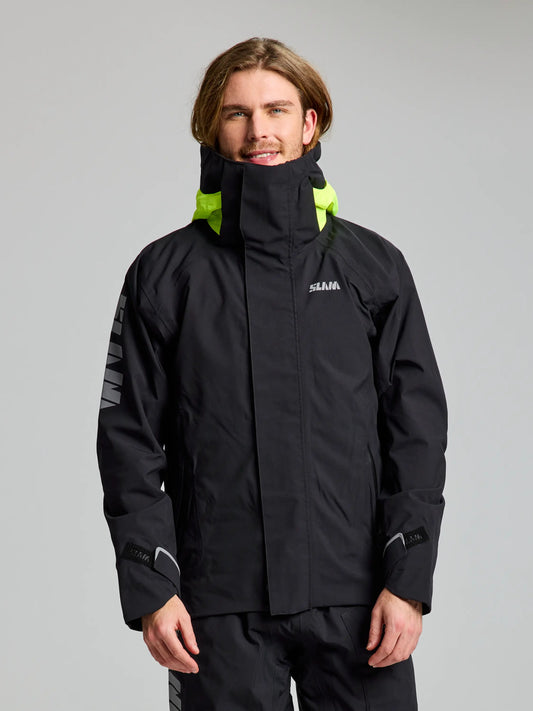
Für diejenigen, die navigieren, ist es von grundlegender Bedeutung, auch die geeignete Kleidung für die Bedingungen zu haben, mit denen das Meer aufwarten kann. Die Pro Offshore Jacket schützt mit ihrer Undurchlässigkeit (15000 mm), der einziehbaren, hochsichtbaren Kapuze und dem warmen, gefütterten Stehkragen vor Wind, Wasser, Salz und Regen.
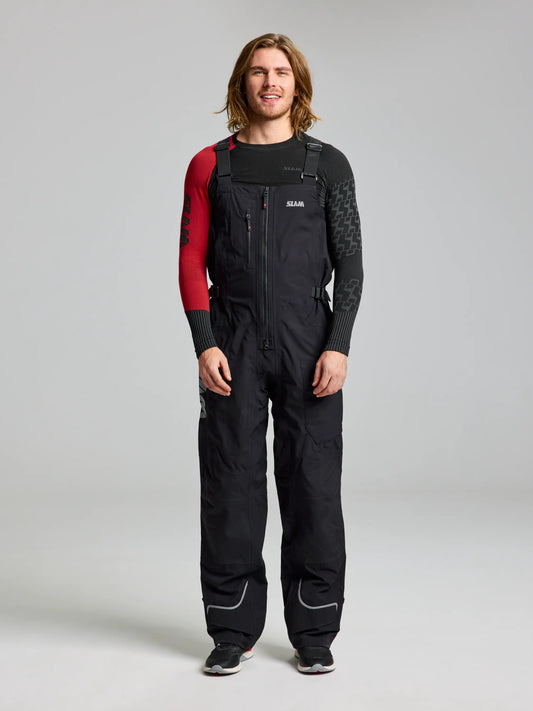
Als praktische Hose aus 2-Layer-Tech-Nylon ist die Pro Offshore Pant ideal für diejenigen, die nach einem Schutz vor Wasser, Wind und Regen für die unteren Gliedmaßen ohne Latz Ausschau hält.
Die Pro Coastal Jacket für Herren ist undurchlässig und atmungsaktiv und ideal für die Küstennavigation. Die Jacke aus recyceltem Material kann mit der Latzhose Pro Coastal Bibs kombiniert werden.
Pro Coastal Bibs ist eine wasserdichte, atmungsaktive und winddichte Latzhose für Fahrten- und Amateursegler, die mit der Pro Coastal Jacket kombiniert werden kann.
Heat loss is greatest at the extremities of the body (head, neck and hands). That’s why these items are essential:
Die Cable Beanie ist eine Unisex-Wintermütze, die man für die kältesten oder windigsten Tage immer in der Tasche haben sollte. Sie ist aus recyceltem Garn hergestellt.
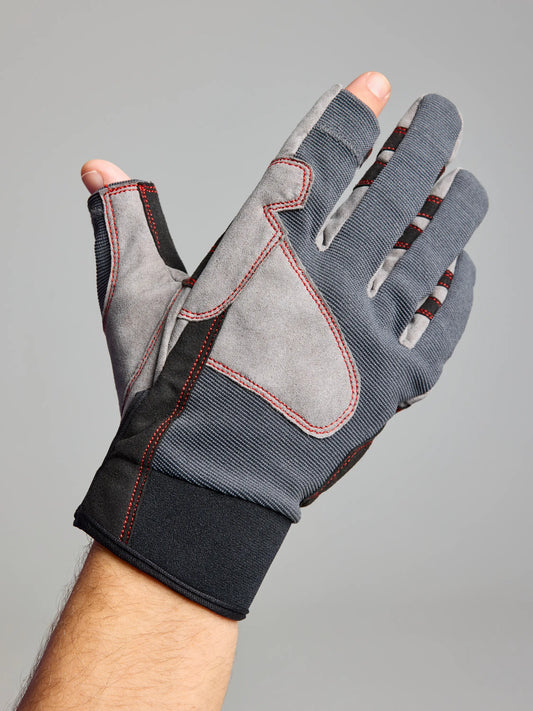
Der Pro Long Finger Glove ist ein Vollfinger-Handschuh, der Ihnen böse Überraschungen an den Fingerkuppen und der Handfläche ersparen kann.
The sea in winter follows a rhythm unlike any other season. Sailing during this time of the year means slowing down, taking the time to listen and observe nature. It means rediscovering its most authentic essence, beyond sport or travel: a direct relationship with the landscape and the natural elements.
In the new 2025 edition, Beyond the Horizon followed the Transat Café L’OR along the ancient coffee trade route. In the heart of the ocean, far from land, every decision becomes a double challenge: against nature, but also against oneself.
No noise, no distractions, only the rhythm of the sea. This is the spirit we want to tell: sailing as a deep and authentic experience, where preparation and awareness make it possible to look beyond the visible horizon and beyond what we believe is possible.


Sailing in winter means accepting a quiet challenge. The coldest season demands preparation, but in return offers a depth and authenticity that tend to fade at other times of the year.
The winter sea is not for everyone, but it speaks to those who are looking for something more and reveals what it truly is. And it is there, in that meaningful emptiness, that sailing reconnects with its deepest roots.


1. How should you prepare for winter sailing ?
Start by analysing weather patterns, checking onboard equipment and planning alternative routes. Before departure, share information with the crew and define clear procedures.
2. How should you dress for sailing in winter?
Rely on the layering system: a breathable base layer, a thermal midlayer and a waterproof outer shell. Complete this setup with a beanie, neck warmer and other technical accessories.
3. Is winter sailing safe?
Yes, when approached with awareness. Winter requires greater preparation and attention, but it offers an extraordinary experience when faced with the right precautions.
Altura WS Tech Short ist eine technische Segelshorts für Frauen, entwickelt für die tägliche Arbeit an Bord. Gefertigt aus einem abriebfesten Stretch-Double-Weave-Gewebe, vereint sie Robustheit, Komfort und Stabilität und stellt die sommerliche Weiterentwicklung der Pro Tech Hose in einer femininen Version dar.

Die Altura WS Weste ist ein unverzichtbarer Bestandteil Ihrer Sporttasche: Sie hält Oberkörper und Rücken warm, lässt gleichzeitig die Arme frei. Funktionelles Nylon im Brustbereich, weiches Fleece an den übrigen Stellen, offene Taschen. Perfekt zum Entspannen nach einem Rennen, im Hafen oder auf dem Roller, wenn do Körperbereiche schützen möchtest, die den Elementen besonders ausgesetzt sind.
Die Altura WS Warm Softshell Jacket ist eine technische Damenjacke für Komfort, Schutz und uneingeschränkte Bewegungsfreiheit an kühleren Tagen. Ideal zum Segeln, im Hafen und in der Freizeit verbindet sie elastisches Material, Wetterschutz und einen klaren, modernen Stil.
Die Altura WS Warm Softshell Hoodie ist eine technische Damen-Softshelljacke für kühle Tage an Bord und im Freien. Elastizität, Schutz vor Wind und leichtem Regen sowie thermischer Komfort machen sie zum idealen Begleiter beim Segeln, im Hafen und in der Freizeit.