


Different Types of Sailing Knots: A Practical Guide for Sea Lovers

×

Anyone who loves sailing knows this: understanding the different types of sailing knots and learning how to tie them correctly is essential. They are crucial for onboard safety, stability, and control—whether you're out for a relaxing cruise or racing in a regatta.
Mooring, hoisting a sail, or securing gear: onboard, a properly tied knot can make all the difference. Being able to tie, secure, or connect ropes correctly means sailing safely even in challenging weather.
Sailing knots can be categorized by their function. Here’s an overview to help you navigate this essential seamanship skill.
Used to connect two ropes securely while keeping them easy to untie:
They prevent a rope from slipping through a hole or pulley, acting like a plug:
Used to secure a rope to a fixed object like a ring, cleat, or post:
They allow rope tension to be adjusted by tightening or loosening:
Learning how to tie basic sailing knots takes practice and patience. Here are some useful tips for beginners:
Speed and confidence come with repetition—especially when sailing under pressure or during a regatta.
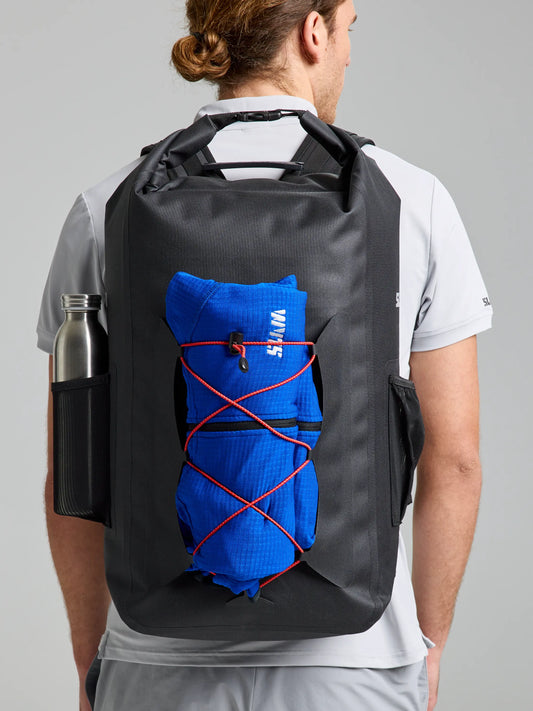
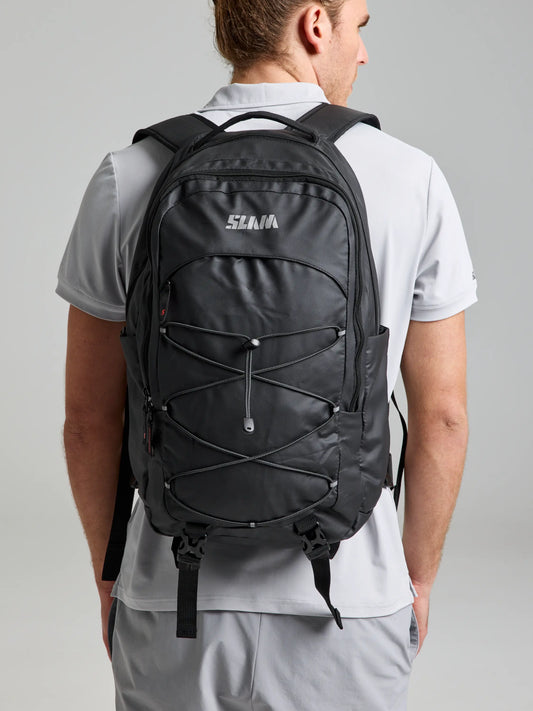
Looking for a way to carry ropes and technical gear? A spacious, durable sailing bag is the perfect solution.
Knots have been used for millennia, almost as old as seafaring itself. Many have symbolic names; for example, the 'bowline' ('gassa d’amante' in Italian) is tied to the idea of strong, lasting bonds.
They’re one of the first things young sailors learn and mastering them is a sign of competence and reliability on board. They're also essential in other fields like climbing.
Knowing how to tie the different types of sailing knots correctly means being prepared and confident. Whether you're a beginner or an experienced sailor, mastering these knots ensures safety, control, and a better sailing experience. And above all, it’s the first step toward truly enjoying your time at sea.
Behind the scenes of our Spring-Summer 2025 shoot, we challenged Chiara Degli Angioli and Mattia Cesana with a sailing classic: the bowline knot.
Watch the video and try to beat them: can you tie it faster?

Geräumige, undurchlässige Tasche mit u-förmigem Reißverschluss mit doppeltem Schieber: die WR Duffle Bag L ist für diejenigen das Richtige, die für alle Wetter- und Klimabedingungen das geeignete Kleidungsstück dabei haben möchten.
Unisex-Rucksack aus wasserabweisendem Funktionsgewebe mit abnehmbarer Laptop-Hülle, ideal für ein Wochenende auf dem Boot. Der WR Backpack ist leicht, doch dank dem Gewebe mit Polyurethan-Beschichtung zugleich robust.
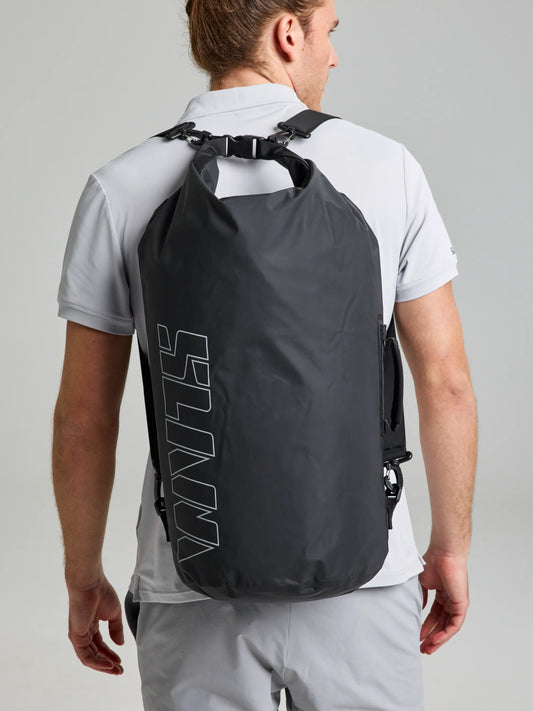
Wr Sailor Bag M ist ein Unisex-Seesack aus leichtem, wasserabweisendem und doppelt beschichtetem Funktionsgewebe, der 30 Liter aufnehmen kann. Kann als Rucksack oder Umhängetasche getragen werden, mit Rollverschluss.