



Packing for a sailing trip: what to bring & practical tips for a perfect vacation

×

Packing for a sailing vacation is a crucial step to fully enjoying the experience at sea. Choosing the wrong clothing or accessories can make the trip less comfortable, negatively affecting your relaxation.
For short trips, such as a weekend or three-day sailing adventure, it's best to bring only the essentials, focusing on versatile, easy-to-match outfits. On the other hand, for a week-long cruise, you'll need to change your clothes and technical gear to be suitable for possible weather variations.
Knowing the differences between short and long trips and preparing is the first step to packing a practical, lightweight, yet complete bag.


When packing for a sailing trip, the ideal approach is to include a mix of technical clothing, comfortable outfits, and essential personal care items. The weather at sea can be unpredictable, even during warm seasons, mornings and evenings may be too chilly for just a T-shirt.
That's why it's essential to bring at least a windbreaker and a lightweight waterproof jacket and follow the layering principle. For daytime, pack swimsuits, breathable technical T-shirts with UV protection, and non-slip boat shoes for safe movement on deck.
A sweatshirt or lightweight fleece is often enough for the evening, but it's advisable to pack additional clothing for longer trips. Lastly, don't forget the must-have accessories: sunglasses, a technical fabric cap with a visor, high-SPF sunscreen, and the necessary medications or pre-tested natural remedies if you're prone to seasickness.
If you're planning a weekend sailing trip, the key is to pack light.
The perfect sailing bag for any short getaway should include:
You'll need additional outfit changes and a more varied wardrobe for a week-long vacation. The best advice is to plan for layering, as space on a boat is limited and often shared with other guests. Recommended items:


A traditional hard-shell suitcase is not the most practical solution for sailing. A rigid bag takes up too much space, is difficult to store in cabins and compartments, and could damage interior finishes when moved.
That's why sailing duffle bags are a better choice: soft and adaptable, they compress easily and can be stored in any cabin corner. Choosing this type of bag helps avoid bulky obstacles in shared spaces.
A sailboat’s capability depends on its length and interior layout. On average, a 10-12 meter boat can comfortably accommodate 4 to 6 people, while larger ships over 15 meters can host 8 to 10 guests.
The more people on board, the more attention should be given to space management. Larger crews require compact, well-organized luggage to prevent clutter in cabins or common areas.
A waterproof bag can make all the difference if your destination has high humidity or rough seas. Whether moving around on deck or simply transferring your belongings from land to boat, it's crucial to have a bag that withstands water and salt.
SLAM sailing duffle bags feature reinforced seams and waterproof or water-resistant materials. Some models even include a separate pocket for wet items or used swimsuits.
The right choice depends on how much you carry and how you move. For your main luggage the soft holdalls are the place to start: the WR Duffle Bag 2.0, with a wide opening and up to 33 litres, and the WR Sailor Bag 2.0, whose high-frequency welded seams and roll-top closure keep the contents protected even in choppy water.
To move light and hands-free between shore and boat, there's the OD WR Backpack, the technical water-repellent backpack. And for the essentials you want to keep dry, the 10-litre WR Sailor Bag 2.0 XS works as a compact dry bag, on its own or alongside a larger one.
WR Duffle Bag 2.0 M est le sac étanche de capacité moyenne conçu pour la voile, les déplacements et les journées à quai. Robuste, fonctionnel et polyvalent, il protège l’équipement de l’humidité et accompagne l’activité sportive comme le voyage.
WR Sailor Bag 2.0 M est le sac marin étanche de grande capacité conçu pour la voile et la vie au ponton. Robuste et polyvalent, il protège l’équipement de l’eau et s’adapte à différents modes de portage.
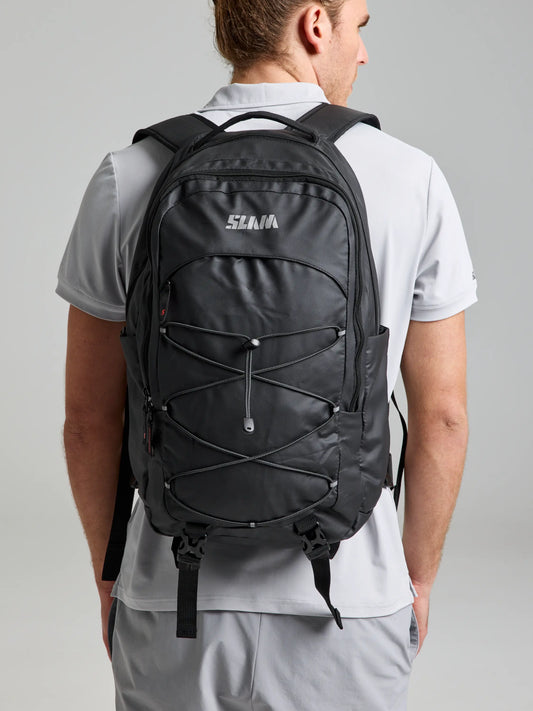
OD WR Backpack - Sac à dos de voile imperméable léger et technique
WR Duffle Bag 2.0 S est le sac étanche compact conçu pour un usage quotidien à bord et à terre. Léger, pratique et résistant, il est idéal pour transporter l’essentiel tout en protégeant le contenu de l’humidité.
WR Sailor Bag 2.0 S est un sac étanche de capacité moyenne, conçu pour une utilisation nautique et sportive. Compact mais spacieux, il associe protection contre l’eau et praticité de transport.
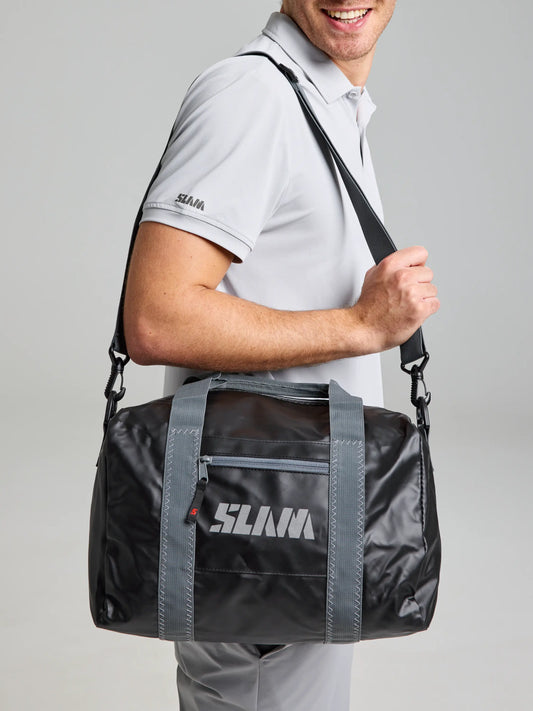
Le WR Duffle Bag S est un sac unisexe hydrofuge de grande capacité (20 litres), léger, pratique et utile en diverses occasions, au look nautique.
WR Sailor Bag 2.0 XS est le sac étanche compact, conçu pour transporter de petits objets et accessoires en milieu nautique. Léger, résistant et facile à emporter partout.
Dry bags and waterproof sacks protect valuables and electronic devices from humidity and splashes. Typically made from PVC or similar materials, they are completely waterproof and, when properly sealed, prevent water from entering.
Why bring a dry bag on a sailing trip? It's easy to say: it's for safely storing wallet, phone, documents, camera, or tablet from saltwater exposure.
Sailing with a dry bag or waterproof sack is essential for its effectiveness. Here's a quick step-by-step guide:
If you prefer a backpack, ensure the model has heat-sealed seams, waterproof zippers and meets your needs. Many waterproof backpacks include protected internal pockets and adjustable straps for extra comfort.
For waterproof bags, focus on:


A few technical pieces that layer together, the accessories you can't do without and a soft bag that fits the tight spaces on board. Start there, and you'll find the balance between travelling light and packing all you need. Then all that's left is to cast off.

Le Wr Duffle Bag L est un sac spacieux et déperlant avec une large ouverture sur le dessus et un zip à double curseur : il est idéal pour avoir toujours avec soi l’équipement adapté à toutes les conditions météorologiques.
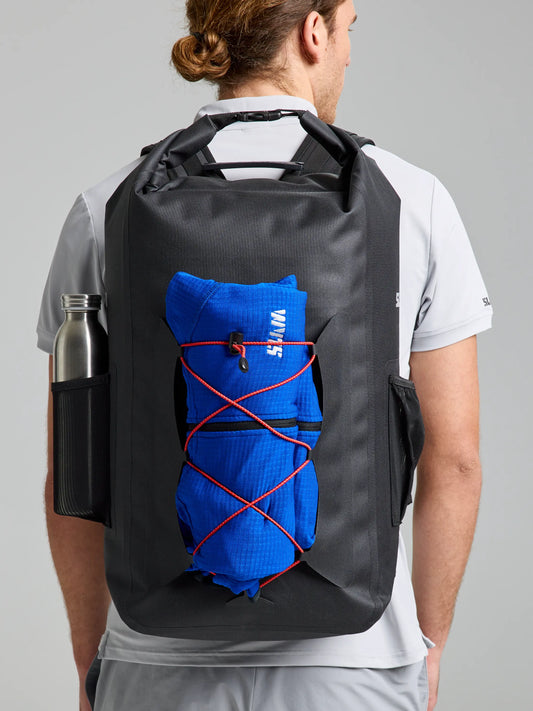
Sac à dos unisexe en tissu technique hydrofuge, avec pochette amovible pour PC, idéal pour un week-end en bateau. Le WR Backpack est léger mais résistant grâce au tissu en polyuréthane enduit.
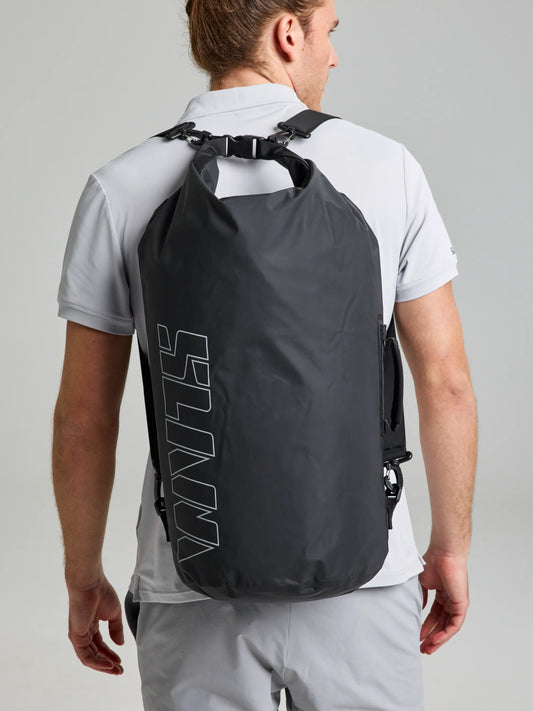
Sac marin unisexe, le Wr Sailor Bag M de 30 litres est réalisé en tissu technique léger à double enduction hydrofuge. Utilisation comme sac à dos ou à bandoulière, fermeture enroulée.